We currently have two hyperbaric oxygen therapy chambers for rent:
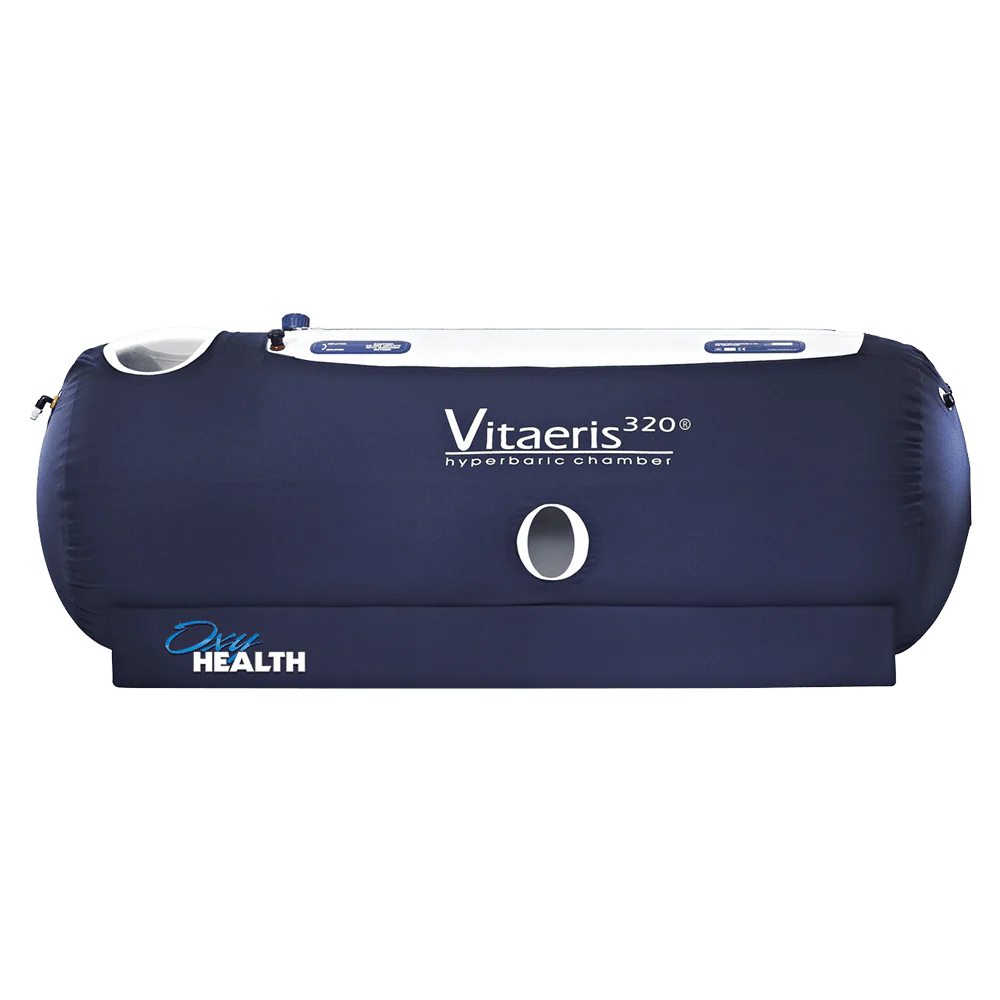
OxyHealth Vitaeris 320
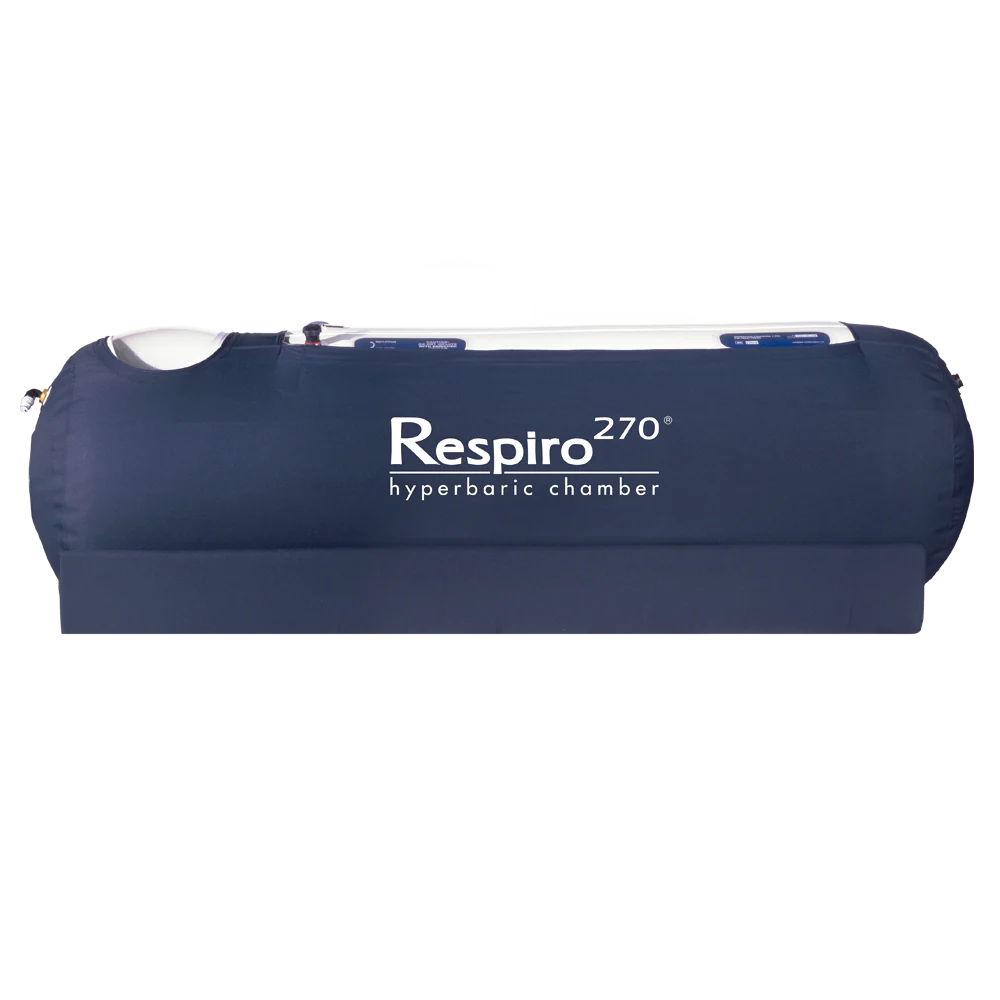
OxyHealth Respiro 270
HBOT Chamber Rentals
Experience the Benefits of Hyperbaric Therapy at Home
Our mission is to help you access the care you need to feel your best. While we offer hyperbaric oxygen therapy (HBOT) in our clinic, we also provide chamber rentals so you can maximize treatment benefits from the comfort of your own home.
Renting a chamber allows you to experience the benefits of hyperbaric therapy with greater flexibility and consistency.
Benefits of At-Home HBOT
- Convenience – Receive treatment from the comfort and privacy of your home
- Consistency – Maximize results with regular daily sessions
- Affordability – A more cost-effective option for ongoing therapy
Each rental includes the chamber and all necessary equipment, along with guidance from our clinic to ensure safe and effective use.
Interested in renting an HBOT chamber?
- Call our office to learn more about the rental process. Our front desk will check with Dr. Despres regarding current chamber availability and confirm you are within our delivery range. You do not need to be an established patient to begin this process.
- Schedule a Consultation. Schedule a 30-minute consultation with Dr. Despres. During this visit, he will determine whether HBOT is safe and appropriate for your health concerns. He will also evaluate whether at-home treatment is feasible, including your ability to safely enter and exit the chamber, administer treatment independently, and whether you have adequate space in your home. If appropriate, he will prescribe a personalized treatment plan outlining how often and how long to perform sessions.
- Rental Approval and Payment. Once approved, you will coordinate with our front desk to arrange payment and finalize the rental.
- Delivery and Setup. Dr. Despres will personally deliver the HBOT chamber and all necessary equipment and guide you through proper setup and operation.
- Start At-Home Treatment. Use the chamber in the comfort of your own home for the duration of the rental period according to your prescribed treatment plan.
- Pickup. At the end of the rental period, Dr. Despres will return to collect the chamber and equipment.
Rental Overview
Hyperbaric oxygen therapy (HBOT) is a non-invasive, safe, and often effective way to help reduce inflammation, increase the body’s oxygen levels, and support detoxification. During treatment, you are placed into a controlled, pressurized environment that simulates being below sea level.
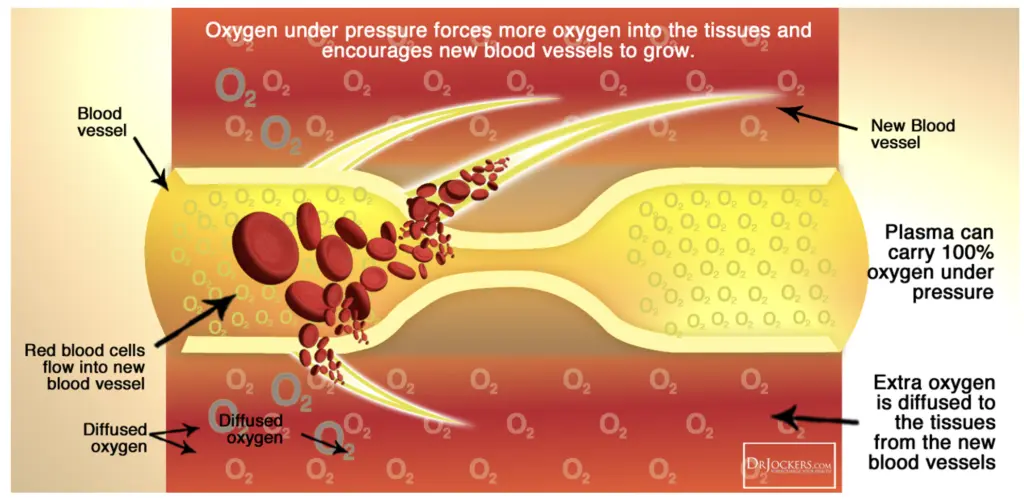
By increasing the pressure above normal atmospheric levels (>1 atmosphere absolute, ATA), oxygen is able to dissolve more readily into the blood plasma—independent of red blood cells—allowing higher concentrations of oxygen to reach tissues that may have previously had limited oxygen supply. The saturation of blood plasma (independent of hemoglobin/red blood cells), which yields a wide variety of positive physiological, biochemical, and cellular effects. This non-invasive therapy is a trusted way to increase oxygen levels in all body organs.
The typical treatment lasts 60-90 minutes, during which the patient relaxes and breathes normally. HBOT has been demonstrated in numerous clinical studies to enhance the body’s innate ability to repair and regenerate. It is an adjunct therapy to complement and enhance the healing processes in chronic and acute conditions.
To rent an HBOT chamber from our clinic, you must:
- Complete a 30-minute consultation with Dr. Paul (required for all patients, including those already established with our clinic)
- Have no contraindications to HBOT treatment
- Live within a 30–45 minute drive of our clinic
- Agree to the rental terms, including the monthly fee and proper care and use of the chamber
Your rental includes everything needed to operate the chamber safely and effectively:
- Soft-shell hyperbaric chamber and bolster set
- Internal or external frame (depending on which chamber you rent)
- Air compressor(s) and tubing
- 10 L oxygen concentrator and tubing
- Internal mattress
- Oxygen mask and tubing
- Remote control for self-administered sessions
- Surge protector
- Safety alarm if power turns off
- OPTIONAL: Chamber tubing cooler to keep internal temperature more comfortable
Not provided: pillows, blankets and sheets for your comfort
Chambers are rented on a monthly basis. The full rental amount for your selected lease period (e.g., 1, 2, or 3 months) is paid upfront before pickup delivery. If you’d like to extend your rental beyond the original term, please contact our office in advance to check availability.
Rental fees:
- $1200 per month
- $300 setup fee for Dr. Paul to deliver, setup, and instruct on how to use the HBOT chamber
- $1200 refundable security deposit
- $50 non-refundable cleaning fee
The HBOT chamber will be personally delivered to your home by Dr. Paul. During delivery, he will guide you through proper setup, operation, safety protocols, cleaning, and basic maintenance of the chamber.
You will also receive hands-on training on how to safely enter the chamber and self-administer your treatments according to your prescribed protocol.
For certain situations, self-pickup may be permitted with Dr. Paul’s approval. Please note that the chamber is transported fully assembled (not disassembled). If you plan to pick up the unit yourself, ensure your vehicle is large enough to safely accommodate the chamber.
At the end of the rental period, Dr. Paul will coordinate pickup from your home.
The amount of space needed in your home will depend on which type of hyperbaric chamber you rent. Below are the minimum space requirements for each chamber.
OxyHealth Vitaeris 320 (Horizontal Chamber)
- Chamber size: 32″ wide × 92″ long
- Minimum space required: 40″ × 95″
OxyHealth Respiro 270 (Horizontal Chamber)
- Chamber size: 27″ wide × 88″ long
- Minimum space required: 20″ × 95″
Summit to Sea Dive (Vertical Chamber)
- Chamber size: 71″ tall × 40″ wide
- Minimum space required: 50″ × 50″
During your consultation, Dr. Paul will help determine which chamber is most appropriate for your home and treatment needs.
Cancel at least 48 hours before your scheduled delivery to receive a full refund. Cancellations made less than 48 hours prior may incur a $250 cancellation fee. Once the chamber has been delivered, rental fees are non-refundable (except for security deposit). We’re happy to work with you on refunds in cases of extenuating circumstances.
If you love your chamber and wish to purchase it—either the rental unit or a new one—let us know. We can discuss the cost of the chamber you are currently using and we are distributors for new chambers by Summit to Sea. We’d be happy to discuss pricing with you.
Treatment Procedure
Yes. Most patients are able to easily self-administer treatments once they have received proper training. If you prefer, a member of your household may also assist you with entering the chamber, closing the zippers, and starting the session.
The chamber is designed to be simple and user-friendly, with features that allow operation from either inside or outside the chamber:
- Double-sided zipper system with both interior and exterior zippers, making it easy to open and close the chamber from either side.
- Double-sided pressure valve, allowing the chamber to be pressurized and depressurized from inside or outside.
- Remote control for the air concentrator, allowing you to turn the unit on or off while you are inside the chamber.
During delivery, Dr. Paul will provide hands-on training so you feel confident and comfortable operating the chamber safely on your own.
Dr. Paul will meet with you to determine the best hyperbaric treatment plan for your health concerns.
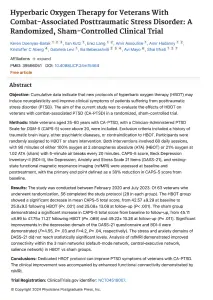
Most clinical protocols involve at least 40 total sessions, typically 60 minutes in length, completed over the course of 1–2 months. When feasible, daily sessions are preferred for optimal results. Following 40 sessions you may re-evaluate for discernible benefits before proceeding for more.
For general health = 1-2 treatments per week, 20-40 treatments
For acute injury (such as a stroke, TBI, wound) = daily treatment until the condition resolves. Treatment can be repeated twice per day with a 4-hour break in between.
For chronic conditions = from daily to 2-3x/wk, 20-40 treatments
For certain chronic conditions such as if you have an autoimmune disease, a high degree of inflammation, and/or are very weak, it’s often best to do at most 2-3 dives a week (or less), always start at a low dose (such as 30 minutes), and take a high dose of oral antioxidants. It’s also helpful to use a nasal cannula or just have supplement O2 into the open chamber instead of an oxygen mask.
Whether administering self-treatment or assisted, we advise to do the following:
- Be prepared to be in the chamber for 60-90 minutes
- Use the bathroom beforehand to empty your bladder
- Eat a healthy meal within 2 hours of treatment. We recommend having a well-rounded, healthy meal with protein and fat. Avoid inflammatory foods, such as fast food and deep-fried foods, the day before, the day of, and the day after your treatment.
- Bring your phone with you in case there is an emergency or you need to communicate with the person administering treatment to you (you can use a walkie talkie instead)
- Insure all HBOT components are in working order
- Optional: it’s best to avoid caffeine if possible as it can cause vasoconstriction which reduces the effectiveness of therapy. We recommend not having the day of treatment.
To ensure a safe, comfortable, and effective treatment experience, please follow the guidelines below when using the hyperbaric oxygen chamber. These policies help protect the chamber equipment, maintain a clean environment, and ensure the safety and comfort.
What You Should Do
- Remove your shoes before entering the chamber.
- You may bring personal items such as a phone, computer, tablet, book, or headphones into the chamber.
- Use the time to relax. Many patients choose to nap, meditate, listen to music, watch a movie, read, or work during treatment.
- Bring a pillow or blanket if you would like additional comfort during your session.
What You Should Not Do
- Do not bring another person into the chamber unless specifically approved by Dr. Paul.
- Do not smoke, vape, or bring any flame-producing devices into the chamber.
- Do not eat or drink while inside the chamber.
- Do not wear perfumes, colognes, essential oils, or strongly scented products. The chamber materials can absorb fragrances, and we maintain a strict scent-free environment to protect patients who may be highly sensitive.
- Do not tamper with the chamber in any way, including writing on or marking the chamber walls.
- Do not use portable urine containers inside the chamber.
- Do not bring pets into the chamber.
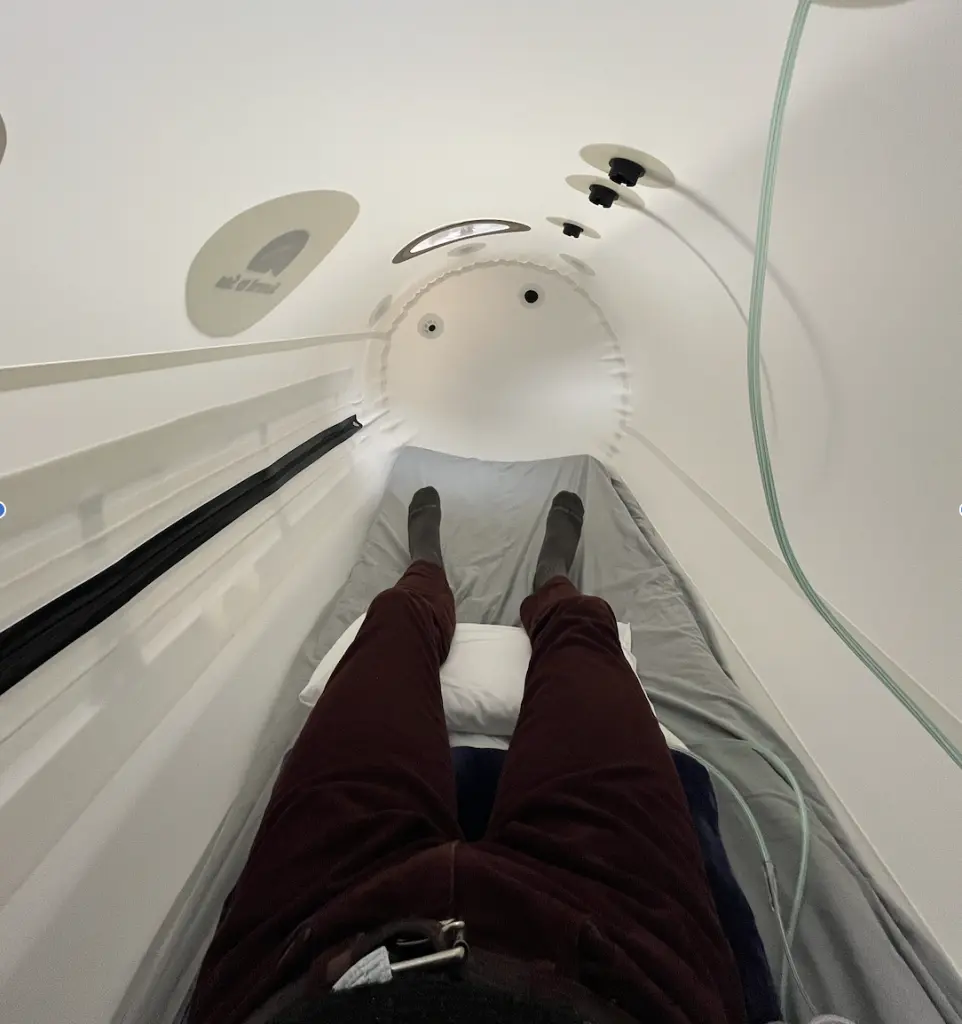
Hyperbaric sessions feel relaxing to most users. You will be laying down and during the first few minutes you typically won’t feel much of anything, aside from a gentle “white noise” from the unit. After a short time, the chamber gradually begins to pressurize. Many people compare this sensation to descending in an airplane, adjusted at a rate that is comfortable for the user. Your ears will usually equalize on their own, though some people find it helpful to chew gum or suck on a mint during this phase. After approximately 10 minutes, the chamber reaches full pressure, and you can simply relax. Many people choose to read, watch a video, meditate, or rest during the session.
During depressurization, the experience is similar to ascending in an airplane, and the ears typically equalize as the pressure decreases. Following treatment, it is common for people to report feeling deeply relaxed. Some notice improved energy or reduced stress. Whether sitting in our vertical chambers or lying in our horizontal chambers, many clients feel very at ease, and some even fall asleep during treatment.
A small percentage of people (less than 10%) may have difficulty equalizing their ears under the pressure of HBOT. It is similar to that what you would feel if you were congested while landing from an airplane. In such instances we advise you to release ear pressure by:
- Moving your jaw, swallowing, and/or yawning. Turn your head to one side and swallow, then turn to the other side and swallow. Repeat if necessary.
- Valsalva Maneuver – Pinch your nose, close your mouth, and attempt to lightly blow through your pinched nose.
If you are unable to relieve the discomfort we ask you to notify the medical assistant. They’ll either help you through it or discontinue treatment. If you have a history of nasal/sinus congestion or problems with your ears while flying we advise to use a nasal decongestant before the first few treatments. With young children tilt their head back and you can put one drop of pediatric (baby) nose drops in each nostril 1.5-2 hours before HBOT. Wait 5-10 min and then put a second drop in each nostril. You can use Afrin or similar nasal spray 20-30 minutes after the nose drops. Do not repeat the nasal spray.
Because the air molecules are under pressure, the interior of the chamber heats a little (about 5-10 degrees warmer than the room). You can utilize the hyperbaric cooler for the air concentrator tubing to reduce the temperatures. Otherwise portable fans and/or ice packs in the chamber can help keep yourself cool. You can also turn up the air conditioning or open a window in the room you have the chamber in.
You are provided an oxygen concentrator that administers 90-95% oxygen through an oxygen mask while you are in the chamber. This allows even greater saturation of blood and plasma with oxygen.
Our rental chambers are best suited for one adult person, but a parent and child could comfortably be in the chamber at the same time if approved by Dr. Paul to do so.
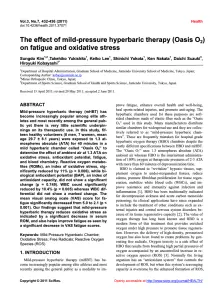
Our clinic uses mild-HBOT (m-HBOT) that goes to a depth of 1.3 ATA. Clinical research and our own experience using HBOT for over 10 years has shown mild-HBOT to be just as effective as “high pressure” hard shell HBOT that reach a pressure higher than 1.75 ATA. Mild HBOT allows for greater safety while still allowing for the delivery of much higher levels of oxygen into the tissues.
We’d like to take a minute to dispel a few myths about mild HBOT:
- There is a myth that only “high” pressure hard chambers are effective. THAT IS FALSE!
- There is a myth that you need a hard chamber with higher ATA >1.75 to get into deeper organs. THAT IS FALSE!
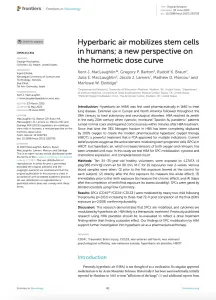
- There is a myth that stem cell release starts at 2.0 ATA. THAT IS FALSE! New research data has shown 1.27 ATA can mobilize stem cells.
- There is a myth you need higher O2 to achieve any cellular benefit. THAT IS FALSE!
Many other therapies are synergistic with hyperbaric oxygen therapy including:
- High dose vitamin C IVs are ESPECIALLY synergistic with HBOT. In order to maximize benefit, the IV should be done right before or within three hours after HBOT. This maximizes the delivery of nutrients and oxygen to the cells.
- In general our experience is that the addition of HBOT to any IV protocol improves efficacy. This is due to known mechanisms of HBOT and increased pressure gradient flowing from the plasma to the cell and mitochondria
- Ozone therapy
- Ketogenic diet
- Craniosacral therapy
- Oncology therapies such as general chemotherapy, radiation, 5-FU, platinums, taxanes, Artemisinin
- Melatonin
Safety and Contraindications
HBOT is an extremely safe and effective treatment especially with appropriate training and supervision. At Aspen we require all patients to meet with our physician first to determine it is safe for them and they don’t have any contraindications to treatment.
Oxygen toxicity can only occur at 3.0 ATA and higher, but our chamber only goes up to 1.3 ATA.
We exclusively use OxyHealth and Summit to Sea HBOT chambers because they are dedicated to innovation and safety. Our chamber uses a fail safe alarm that alerts the operator if there is a power failure from the wall socket. Additionally, our chamber utilizes two compressors for redundant safety in case of failure. These chambers have two relief valves at either end of the chamber for even air distribution and release. This setup prevents pockets of built up carbon monoxide within the chamber and again provides redundant safety measures in case of a failure or blockage of one valve.
There is currently only one absolute contraindication to hyperbaric oxygen therapy and that is untreated pneumothorax. Patients with pneumothorax should be treated and managed before initiating HBOT.
Certain conditions are considered “relative contraindications” meaning if under the right observation and management the patient could do HBOT. One must also weigh the risks versus benefits before initiating therapy. Relative contraindications include:
- Inability to equalize ear or sinus pressure perhaps due to surgery, radiation, acute upper respiratory tract infection, or sinus infection. In addition history of certain ear conditions requiring surgery, such as otosclerosis. Acutely congested patients can be treated with phenylephrine nasal spray.
- Eustachian tube dysfunction can increase risk of barotrauma to the tympanic membrane. This can be mitigated by pressure equalization training or receive tympanovstomy before initiation of HBOT.
- Claustrophobia depending on severity.
- Severe Heart Disease and Chronic Obstructive Pulmonary Disease (COPD) – due to risk of oxygen induced hypoventilation, increased ventilation/perfusion mismatch, and fluid build-up in the lungs.
- Asthma – due to risk of air trapping and the development of pulmonary barotrauma.
- Asymptomatic pulmonary blebs and bullae
- Implanted devices should be pressure tested to determine their safety and ability to function in a high-pressure environment.
- Pregnancy due to unknown effects on the fetus; however, there are certain circumstances where HBOT is indicated such as carbon monoxide (CO) poisoning.
- High fever or epilepsy can decrease the seizure threshold, making oxygen toxicity more likely. Anti-epileptics and fever reducers can help alleviate this risk.
- Recent eye surgery if any air or gas gets trapped in the eye.
- History of cataracts – while HBOT cannot cause cataracts, this procedure may cause formed cataracts to mature quicker
- History of recent thoracic surgery can increase risk of atelectasis and pneumothorax.
- Asymptomatic pulmonary lesions on chest x-ray should be evaluated before proceeding with HBOT.
- Uncontrolled insulin-dependent diabetes mellitus or acute hypoglycemia due to therapy-induced hypoglycemia. However, point of care glucose monitoring and supervision is often sufficient to perform HBOT on diabetic patients safely.
- Nicotine or caffeine use are contraindications before HBOT. The vasoconstriction caused by these agents reduces the effectiveness of therapy.
- Perilymph fistulas, which occur from inner ear barotrauma, cause vertigo and other vestibular symptoms and can be aggravated by HBOT.
- HBOT can trigger reactivation of tuberculosis. High risk patients should undergo tuberculin skin test or interferon-gamma release assays before HBOT.
- Untreated glaucoma
- Current or past cerebrospinal fluid (CSF) leak
Our hyperbaric chamber is an FDA Class 2 device along with the oxygen concentrator.
HBOT has only officially been approved by the FDA to treat 14 conditions and mild hyperbaric has only been approved to treat altitude sickness. That being said many medical professionals, including the physicians here at Aspen, use hyperbaric oxygen therapy to treat over 100 conditions considered “off-label” by the FDA. This therapy has shown to be safe and effective in numerous clinical studies to enhance the body’s innate ability to repair and regenerate, but the FDA has been slow to accept its full healing potential.
No! Active cancer or a history of cancer is NOT a contraindication for HBOT therapy. Hyperbaric oxygen therapy will not fuel cancer cell growth. Normal and wounded tissue respond differently to HBOT than cancer cells. Tumor growth and metastasis actually accelerates in hypoxic (low oxygen), so high oxygen environments like in an HBOT chamber actually suppresses cancer growth!